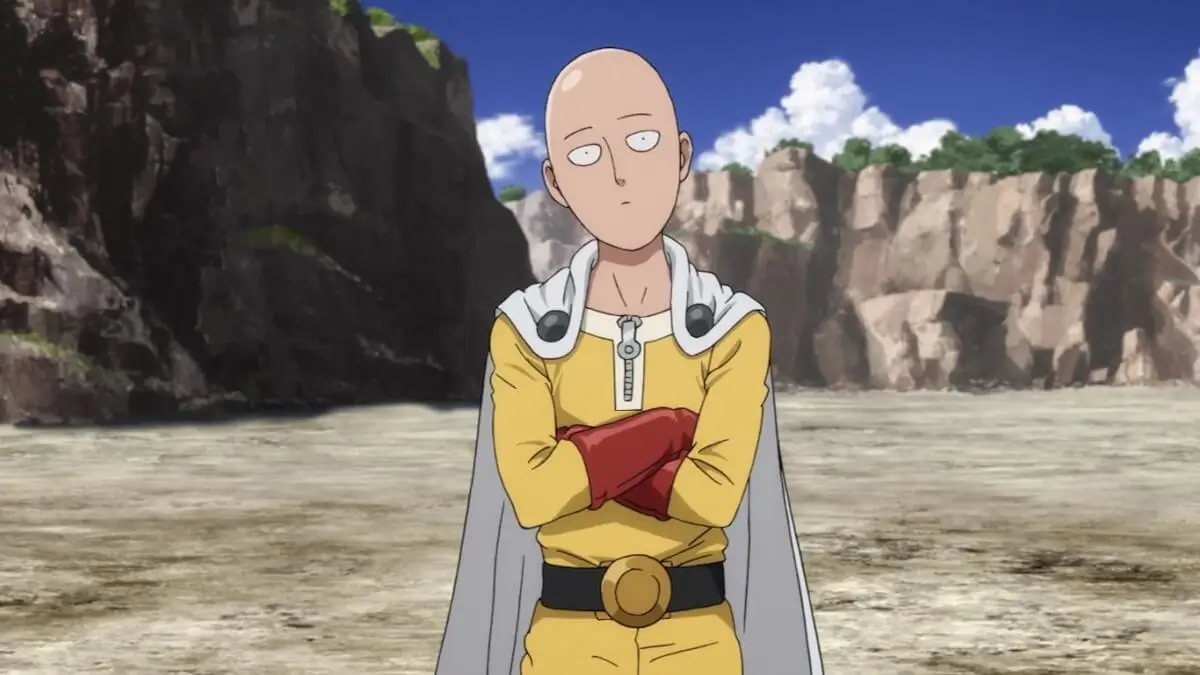

No, One Punch Man Season 4 is not officially confirmed. The persistent claims that a fourth season is arriving in 2027 stem from widespread misreporting of an entirely different production update. Following the conclusion of Season 3’s first 12-episode cour on December 29, 2025, Bandai Namco Filmworks and J.C.Staff officially announced One-Punch Man Season 3 Part 2 for 2027, not a fourth season. No production committee member has greenlit Season 4, and any headline declaring an official Season 4 release is conflating cour designations with full-season renewals.
Understanding this distinction changes everything about what the franchise’s actual production pipeline looks like. The Monster Association Arc is the longest and most visually demanding storyline in modern manga history, and the anime could not feasibly compress its massive climax into a single 12-episode run. With Season 3 deliberately split into two distinct broadcast halves, a genuine Season 4 cannot enter active pre-production until the climactic clash between Saitama and Garou concludes. Here is everything that actually matters regarding the status of Season 4 before the rumor mill distorts the facts further.
One Punch Man Season 4 Release Date: When Is It Coming Out?
There is no official release date for One Punch Man Season 4 because the project has not been greenlit. With Season 3 Part 2 officially slated to air in 2027 to finish the Monster Association raid, a fourth season would realistically not premiere until 2029 or 2030 at the absolute earliest. High-tier action anime typically require an 18- to 24-month turnaround between production cycles, especially given the intense global scrutiny surrounding this franchise’s animation scheduling. Any specific release date for Season 4 circulating online right now is fabricated speculation rather than sourced industry reporting.
Which Studio Is Making One Punch Man Season 4?
No studio has been contracted for One Punch Man Season 4. Studio J.C.Staff is currently fully committed to animating Season 3 Part 2 under director Shinpei Nagai, following their divisive runs on Season 2 and Season 3 Part 1. The vocal community desire for Studio Bones, MAPPA, or a triumphant return to Madhouse remains wishful thinking, as animation contracts are determined by Bandai Namco Filmworks based on budget, committee logistics, and scheduling availability rather than fan petitions. Until the committee issues an official post-2027 statement, the animating studio for any prospective Season 4 remains completely unassigned.
What Manga Arcs Will One Punch Man Season 4 Cover?
A fourth season would move past the Monster Association saga to adapt the Psychic Sisters Arc and the Neo Heroes Introduction Arc. Season 3 Part 2 will exhaustively cover the remainder of the subterranean assault, the surface war, and Saitama’s cosmic confrontation with Garou, leaving the post-war status quo wide open. That places a prospective Season 4 squarely at manga Chapter 171 onward, spotlighting the volatile psychic feud between Tatsumaki and Fubuki, Saitama’s new living quarters inside the Hero Association fortress, and the sudden emergence of the rival Neo Heroes syndicate.
Will the Original Cast Return for One Punch Man Season 4?
No casting negotiations for Season 4 have taken place, but the core voice cast is overwhelmingly expected to return. Makoto Furukawa as Saitama, Kaito Ishikawa as Genos, Aoi Yuki as Tatsumaki, and Saori Hayami as Fubuki have defined their respective characters across three television seasons, video games, and audio dramas. In the English dub managed by Viz Media, Max Mittelman and Zach Aguilar have similarly anchored the series since 2016. Major Japanese anime productions virtually never recast primary leads between seasons barring serious health issues or retirements, guaranteeing stability whenever Season 4 eventually materializes.
Why Has One Punch Man Season 4 Not Been Greenlit Yet?
The hold-up comes down to one fundamental structural reality: Season 3 is only half-finished. The production committee chose a split-cour release model for Season 3 due to the staggering length and visual complexity of the Monster Association climax, which required an extended hiatus until 2027 to prevent a catastrophic production collapse. Greenlighting a fourth season before evaluating the commercial, streaming, and merchandise returns of Season 3 Part 2 would defy standard anime committee financing practices. Bandai Namco cannot commit capital to Season 4 while their 2027 sequel is still in active development.
Where to Watch One Punch Man Seasons 1 to 3 and OVAs
Seasons 1 and 2 are currently streaming across Hulu, Netflix, and Crunchyroll depending on your regional licensing, while Season 3 streams on Hulu in the U.S. and Disney+ in Canada. The celebrated first season produced by Madhouse remains readily available across all major global platforms, while Viz Media holds the master English licensing rights for home video and digital distribution. The six canon OVAs bundled with the Japanese Blu-ray volumes from earlier seasons remain unavailable on most Western subscription platforms. The official manga, written by ONE and illustrated by Yusuke Murata, is serialized digitally through Viz Media’s Shonen Jump library.
How Much Manga Has One Punch Man Adapted So Far?
The anime has adapted approximately 115 manga chapters out of more than 200 published chapters. Season 1 covered the first 37 chapters across seven volumes, while Season 2 adapted up to Chapter 84 and Volume 17. Season 3 Part 1 concluded its December 2025 broadcast around Chapter 115, leaving roughly 55 chapters of the Monster Association climax for Season 3 Part 2 to adapt in 2027. That leaves more than 60 chapters of post-Garou content—including the complete Psychic Sisters conflict and extensive Neo Heroes world-building—fully available in print to build a complete, filler-free Season 4 right now.
How Did the One Punch Man Season 4 Rumors Start?
The widespread belief that Season 4 was announced emerged immediately after Season 3 Episode 12 aired on December 29, 2025. A post-credits teaser video and promotional graphic revealed that the anime would return to broadcast in 2027, which social media accounts, content creators, and automated scrapers instantly mistitled as “One Punch Man Season 4 Confirmed.” In reality, Bandai Namco’s official Japanese title card explicitly read One-Punch Man Season 3 Part 2 (第3期 第2クール). The viral spread of inaccurate headlines created an alternate narrative that casual fans accepted without verifying primary Japanese sources.
What Would Make a One Punch Man Season 4 Sequel Unique?
A fourth season would represent the first time the anime returns to grounded, urban superhero satire since 2015. While Season 2 and Season 3 transformed into monolithic, multi-year slugfests focused entirely on monster raids and underground skirmishes, the post-Garou manga returns to the series’ core appeal of civic politics, institutional incompetence, and Saitama’s hilarious domestic apathy. It introduces the corporatized Neo Heroes as a direct challenge to the corrupt Hero Association, shifting the series away from repetitive battle-shonen showdowns and back toward sharp social deconstruction.
Why the Future of One Punch Man Beyond Season 3 Matters
Most long-running anime sequels survive purely on brand momentum, but One Punch Man’s long-term future depends entirely on rebuilding fan trust. The steep drop-off in animation quality and directing cohesion from Madhouse’s masterclass first season to J.C.Staff’s subsequent productions alienated parts of the global audience and generated unprecedented criticism. If Season 3 Part 2 can deliver a technically competent and narratively satisfying finale in 2027, it will restore the commercial prestige necessary to justify a high-budget, properly scheduled Season 4. Saitama remains one of the most recognizable icons in pop culture, but whether his anime continuation thrives or fades depends on how the committee handles the road beyond 2027.
Up next
Keep Reading
DanMachi Season 6 Is Officially Happening — Here Is What the Announcement Actually Tells Us
Here Is Everything We Actually Know About Oregairu Season 4 (And Why the Answer Is More Complicated Than a Simple No)
Air Gear Season 2 Has Not Been Confirmed — Here Is the Honest Truth Behind 19 Years of Silence