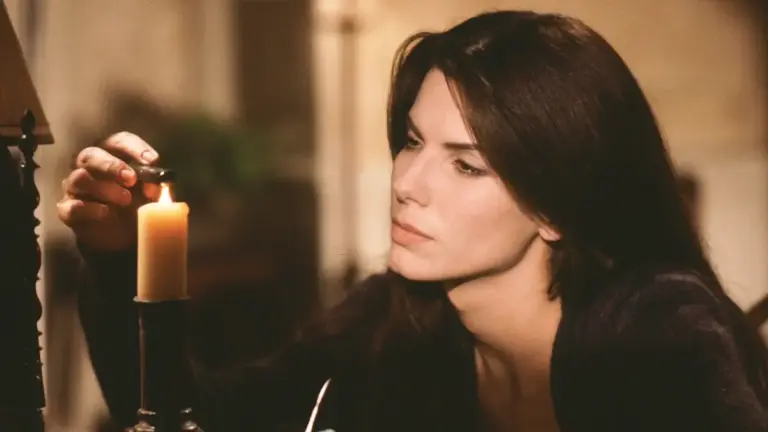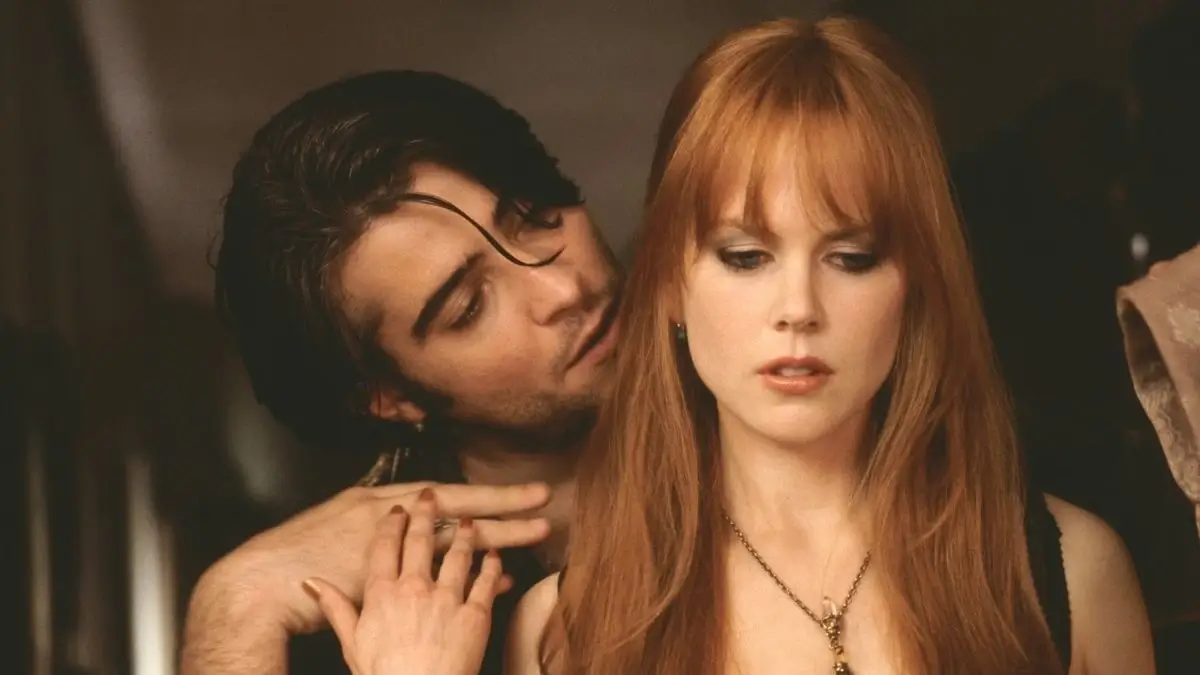

Yes, Practical Magic 1 is widely available to stream right now across major digital platforms. Originally released in theaters by Warner Bros. on October 16, 1998, the supernatural romantic comedy drama has experienced an explosive resurgence following the theatrical arrival of its legacy sequel, Practical Magic 2. The original movie stars Sandra Bullock and Nicole Kidman at the absolute peak of their nineties stardom, supported by legendary turns from Stockard Channing and Dianne Wiest. For longtime fans planning their annual autumn rewatch or newcomers looking to catch up on the Owens family history before diving into the sequel, here is the complete breakdown of the 1998 classic.
Revisiting Practical Magic nearly three decades later proves why it shrugged off an initially hostile box office reception to become cinema’s definitive autumn comfort watch. The New England coastal aesthetic is unforgettable, the sisterly bond is deeply felt, and the sudden tonal swerves from cozy kitchen witchcraft to supernatural domestic defense gave the film an identity unlike anything else released in that era. Whether you are rewatching for the twentieth time or discovering the Owens bloodline for the first time, here is everything you actually need to know about the original movie.
Where Can You Stream Practical Magic 1 Right Now?
The original Practical Magic is currently streaming on Max in the United States. Because the film is a Warner Bros. property, Max serves as its permanent subscription home, though it also rotates onto cable streaming services like TNT and TBS depending on seasonal Halloween broadcast rights. Viewers outside a Max subscription can rent or purchase the film digitally in 4K UHD on Amazon Prime Video, Apple TV, Google Play, and Vudu, or pick up Warner Bros.’ remastered physical 4K disc release.
Who Stars in the Original Practical Magic Cast?
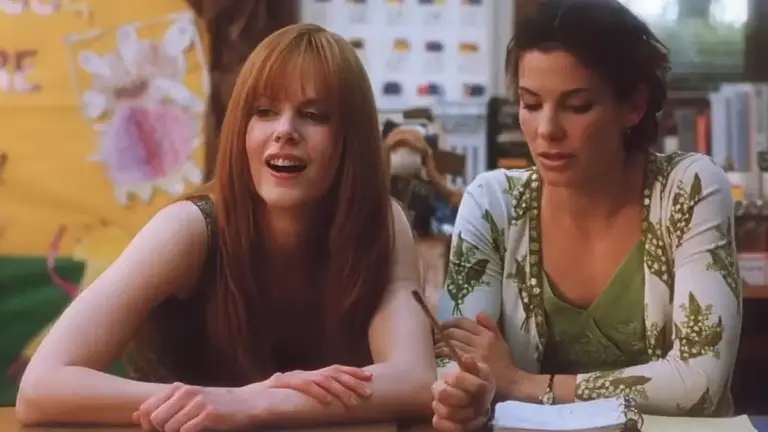
Sandra Bullock and Nicole Kidman anchor the film as sisters Sally and Gillian Owens, delivering one of the most beloved screen pairings of the late nineties. Surrounding them are Dianne Wiest and Stockard Channing as Aunt Jet and Aunt Frances, who raise the girls on chocolate cake for breakfast and unapologetic witchcraft. Aidan Quinn stars as Tucson investigator Gary Hallet, Goran Višnjić portrays the menacing Jimmy Angelov, and early career performances feature Evan Rachel Wood and Alexandra Artrip as Sally’s young daughters, Kylie and Antonia.
What Is the Owens Family Curse in Practical Magic?
The Owens curse dictates that any man who falls in love with an Owens woman will suffer an untimely death. The tragedy originated in the seventeenth century with their ancestor, Maria Owens, who was exiled to an isolated island while pregnant; when her lover abandoned her, Maria cast a spell upon her own heart to never love again, which corrupted into a multi-generational curse. In the 1998 film, the curse claims Sally’s father, Gillian’s father, and later Sally’s husband Michael, forcing both sisters to live under constant romantic fear.
What Is the Plot of Practical Magic 1?
Practical Magic follows Sally and Gillian as they accidentally kill Gillian’s abusive boyfriend and must cover up the crime while fighting off his vengeful spirit. Adapted from Alice Hoffman’s 1995 bestselling novel, the story escalates when Sally attempts to drug Gillian’s abusive partner Jimmy with belladonna to escape him, causing a lethal overdose; their panicked attempt to resurrect him goes wrong, forcing them to bury him beneath the aunts’ garden. As state investigator Gary Hallet arrives to investigate Jimmy’s disappearance, Jimmy’s malevolent spirit rises to possess Gillian, forcing the sisters to confront their magic and protect their family.
How Does the Ending of Practical Magic 1 Play Out?
The climax of Practical Magic sees Sally rally the once-judgmental townswomen to form a coven and exorcise Jimmy’s spirit from Gillian. Rather than continuing to hide their witchcraft from the community, Sally openly invites the local women into the Victorian mansion, where Sally breaks Jimmy’s lethal possession through an ancient blood oath shared with Gillian. With Jimmy banished permanently, the centuries of town prejudice dissolve, Gary closes the murder investigation, and the Owens women celebrate Halloween by leaping off their Victorian roof, floating gently to the ground surrounded by cheering neighbors.
What Made the “Midnight Margaritas” Scene So Iconic?
The “Midnight Margaritas” sequence became a lasting pop-culture touchstone because it captures the pure, joyous chaos of female domestic freedom. Set to Harry Nilsson’s upbeat classic track “Coconut,” the scene depicts Sally, Gillian, Aunt Franny, and Aunt Jet dancing drunk around the kitchen counter in their sleepwear, blending tequila at midnight while laughing away generations of social ostracization. The scene encapsulated the warm, unapologetic sisterhood that defined the entire movie and remains one of the most widely shared clips across social media every autumn.
Where Was the Owens House Filmed in Practical Magic?
The iconic Victorian house was an architectural shell built entirely on location on San Juan Island in Washington state. While the story is set in Massachusetts, production designer Robin Standefer constructed the house in Coupeville and Friday Harbor, outfitting the exterior with an elaborate botanical garden, wrap-around porch, and widow’s walk. Because the house was built strictly as a temporary movie set rather than a liveable structure, the entire mansion was dismantled immediately after filming wrapped, leaving only studio soundstages behind and cementing the house as an architectural legend among fans.
How Does Practical Magic 1 Connect to Practical Magic 2?
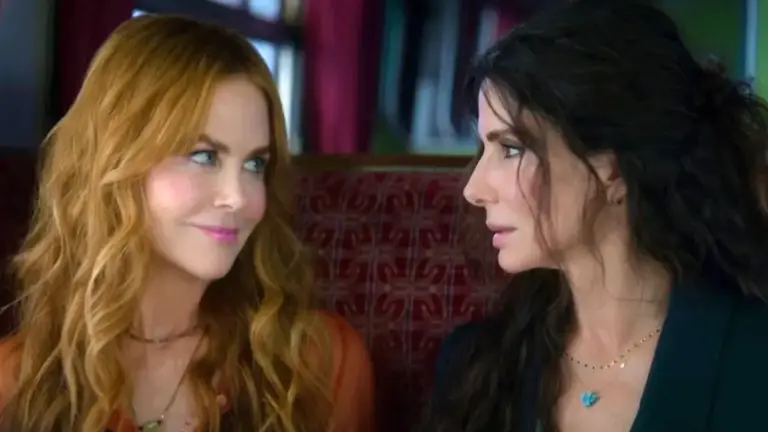
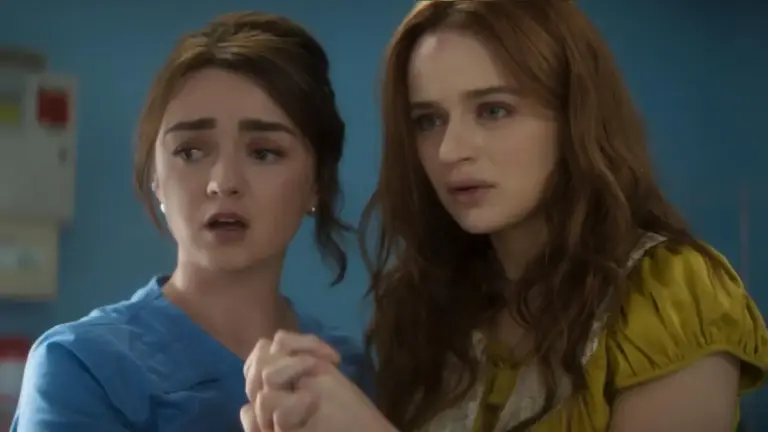
Practical Magic 2 directly continues the story of the 1998 film by adapting Alice Hoffman’s 2021 sequel novel, The Book of Magic. The follow-up brings back Bullock, Kidman, Wiest, and Channing in their original roles, but reveals that Sally’s belief that she permanently broke the curse in 1998 was tragically mistaken. With Sally’s grown daughters—now played by Joey King and Maisie Williams—navigating their own inherited magical lineage, the sequel builds directly on the mythology, family traumas, and unresolved curse threads laid out in the 1998 original.
Why Did Practical Magic Flop in 1998 Before Becoming a Cult Classic?
Practical Magic struggled upon release because nineties critics and studio marketing failed to understand its mashup of romantic comedy and dark gothic thriller. Released against a $60 million to $75 million budget, the film grossed roughly $68 million domestically and received a dismal 31% critic score on Rotten Tomatoes, with reviewers complaining about the jarring tonal whiplash between whimsical romance and corpse resurrection. However, home video releases, cable television re-runs, and the rise of autumn “whimsigoth” culture turned the film into an untouchable Halloween staple, backed by a 73% audience score.
Does Practical Magic 1 Still Hold Up Today?
Practical Magic holds up remarkably well precisely because its genre unpredictability makes it stand out from modern, homogenized studio films. Instead of choosing between a safe romantic fantasy or a grim horror tale, Griffin Dunne’s direction lets the movie be messy, cozy, gothic, and genuinely suspenseful all at once. The chemistry between Sandra Bullock and Nicole Kidman has never been duplicated, and the production’s tactile practical sets, Alan Silvestri score, and Stevie Nicks soundtrack keep the film timeless in a way that modern CGI productions rarely achieve.
Practical Magic 1: The Honest Takeaway
What keeps Practical Magic relevant nearly three decades later is that it treats female connection and self-acceptance as the real source of power, rather than the spellwork itself. The film refuses to apologize for its eccentricities, moving effortlessly from heart-wrenching grief to dancing in pajama sets to driving broomsticks into the wind. The original movie remains the foundational blueprint for modern witch cinema, and revisiting it today reveals a film that was simply years ahead of what mainstream 1998 culture was ready to embrace.
Up next
Keep Reading
Practical Magic 2 Ending Explained: Who Dies, How the Owens Curse Breaks, and What’s Next
Everything We Actually Know About Practical Magic 2, From the Returning Cast to Streaming and Plot Details
Everything We Actually Know About Practical Magic 3, From Sandra Bullock’s Update to the Next-Gen Cast